BLOG
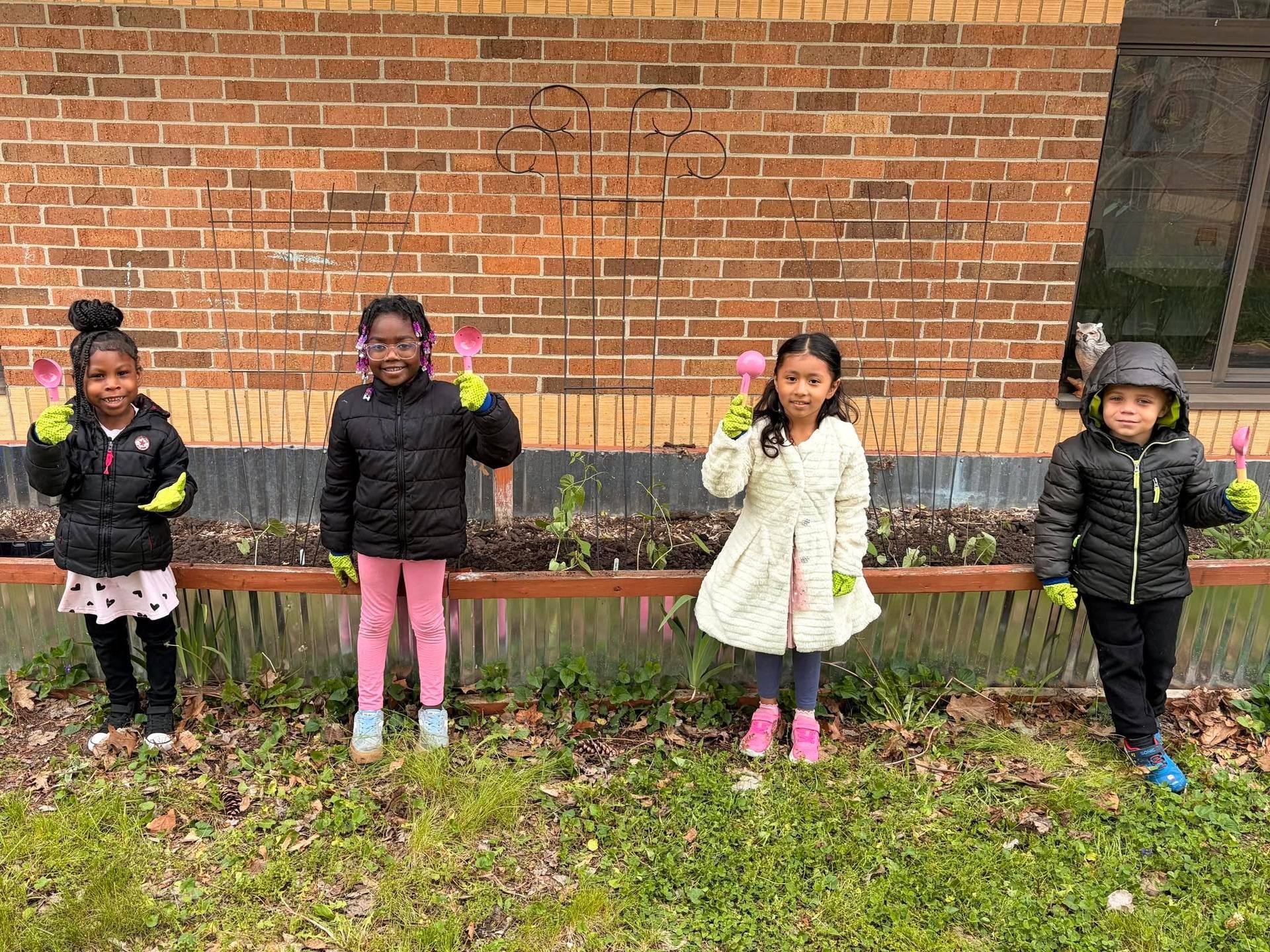
Beloved community, Autumn is, by far, my favorite season. Cooler days signal that it’s time to start buttoning up the farm as youth across our community settle into the rhythm of a new school year. This seasonal shift, the renewed rhythm, gives us the opportunity to reflect on our harvest while we simultaneously look forward to what’s next. And as we shift season, we get to celebrate National Farm to School Month! At Growing Hope, we celebrate, remember, and continue moving through each youth and school we intersect with because we believe it is instrumental in building a foundation of generational health on which our food system can grow. Farm to school impacts all of us. Every one of us is either in school, has been in school, or has someone close to us with a school experience. And for many of us, school is where our earliest beliefs about food took root. As a child, I relied on the school system for the majority of my meals. From a young age, I didn't know much about autonomy in what I ate. I knew the food pyramid, but not how the food served to me fit into it. In the end, it didn't matter. All that mattered was that it kept me from going hungry. This system built a foundation for how I thought about the food system, which included conflicting feelings of gratitude, shame, and survival. This is the experience of many youth in our community, and it's a big part of what drew me to Growing Hope. Our children deserve the absolute best we can afford them, not whatever is subsidized for the companies that can afford to send lobbyists to Washington. Whether it’s what counts as real food, who gets to eat well, or where food comes from. These are all deeply seeded beliefs that often stay with us our entire lives, and we cannot give up this narrow opportunity to shape them. We do this on two levels; first, experientially. Kids who plant, harvest, and cook stop seeing food as something that just appears, and start seeing themselves as part of making it. A few of the ways this has looked in practice include actively being involved in supporting school gardens across the district and helping to build up programs like RCTC Culinary Arts and Bakery Science and the new Botany Program. A couple of weeks ago, Jenny and Esha joined Grizzly X Day at Perry Early Learning Center, where we're starting a new garden club for 1st graders. The second is systemic. We invest in the systems that feed our children, because a garden club alone can't fix a cafeteria tray. Together, these two approaches are how a community builds generational health. In 2025, USDA canceled the Local Food for Schools program, which would have put nearly $18 million into the hands of Michigan farmers and schools. That's money that would have put Michigan-grown food in school lunchrooms. A bill introduced in Congress this summer, the Local Foods for Healthy Schools Act of 2026, would make local food funding for schools permanent. Again, we ask: are our school meal dollars going to serve local youth and local farmers, or the companies with the biggest lobbying budgets? Indigenous Peoples’ Day is also this month, and within it, an important reminder that this work did not begin with, nor is it owned by, any federal program. Indigenous peoples, including the Anishinaabe, who stewarded the land we farm today, were teaching children to grow, gather, and prepare food long before these programs came to be. This work continues today through organizations like First Nations Development Institute's Native Farm to School. That history isn't separate from what’s in front of a child today; Indigenous teaching has informed and built generations of farm-to-school work for all people. The Black Panther Party's free breakfast program and Fannie Lou Hamer's Freedom Farm Cooperative are just two examples of communities coming together to feed their children when the system refused. We learn from that lineage, we tell their stories, and we steward school food systems that nourish our youth from the inside out. Every community's food system is shaped by what we teach and feed its young people. So we celebrate Farm to School Month by continuing to sow seeds of generational health in the minds and hearts of our young people. In solidarity, Julius P.S. Here are a few ways to get involved directly: request a field trip (you don't have to be a school), request school garden support , or fund free field trips for local youth through "Pay It Forward" on our auction .
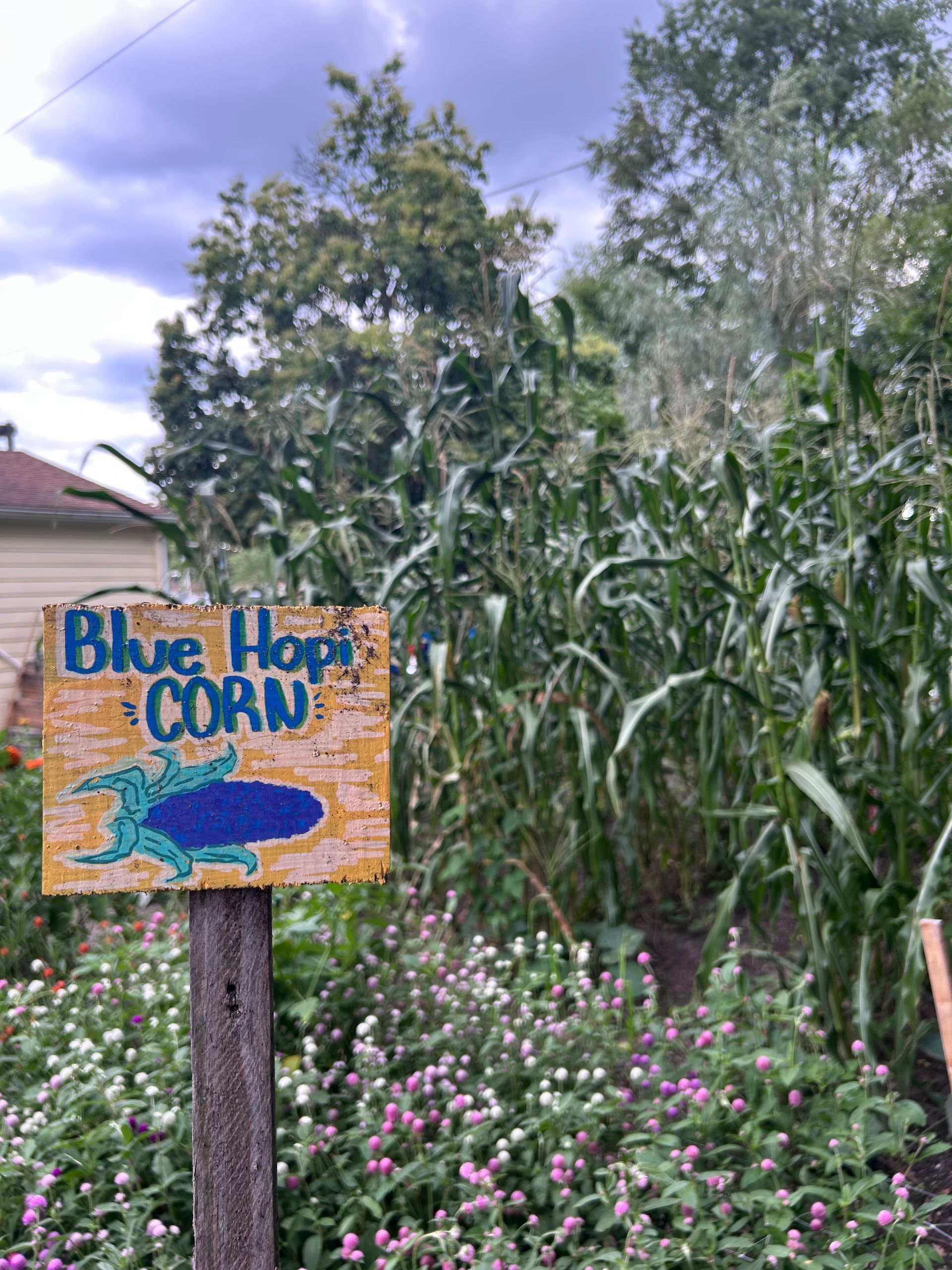
Beloved Community, I've been thinking a lot about seeds and seed rematriation this season, and even more so as I sit with our bare seed libraries and seeds strewn about, drying for the season to come. Seed rematriation is the practice of returning ancestral and sacred seeds back to the Indigenous communities and lands from which they came. It's a deliberate departure from "repatriation." Through this lens, we are reminded that seeds are so much more than objects; they are relatives. And so, rematriation is not simply a transaction, but a homecoming. Over the past couple of seasons, our Teen Leaders have built a seed library in each of our spaces. These are places where community members can take seeds, plant them, and grow them, with the hope that they'll return the communal favor by collecting and bringing seeds back as the season turns. This simple practice reminds us that seed does not belong to any one person; we just happen to be its current stewards. Together, we foster a legacy that connects us with our ancestors who've walked before us and the stewards of the future who have not yet been dreamt up. Our Blue Hopi corn paints this very picture. It's a beautiful deep purple, drought-hardy and built by generations of farmers who knew the land intimately. At nearly six feet, it's impossible to miss; and every passing is a visual reminder of the people who stewarded these seeds, this land, and the dream that has become Growing Hope. Seeds hold our sustenance, hand down our recipes, protect our culture, and enshrine our stories. Over the past century, museums, universities, and policy have displaced peoples and seeds alike. This displacement attempts to overwrite the lessons learned by those indigenous to our land. It erases their stories. Rowen White puts it eloquently when she reflects on what she was taught by her elders: "the seeds are a reflection of the people." When a seed is scattered, something in the community is scattered too. And when it comes home, community comes home with it. Growing Hope's seed libraries are a small, local practice, not an extension of Indigenous seed rematriation. But the discipline underneath it, that what's entrusted to you is not yours to keep, is one we're trying to learn from and hold ourselves accountable to. The simple, yet powerful, act of returning a seed to the ground is one small way to practice that same discipline. We all carry things that were entrusted to us, but are not ours alone: a story, a recipe, a way of doing something. Passing them on is its own kind of seed saving. Maybe yours isn't a Blue Hopi corn stalk; it's the recipe your grandmother never wrote down, or a skill someone taught you that you haven't taught anyone yet. Saving these seeds, sharing these stories, is how we actively participate in a community market by reciprocity and shape the story of humanity. We're heading into the season built for this. The fall equinox lands on September 22 this year, and the Harvest Moon (also known as the Corn Moon) follows a few days later, on the 26th. This seasonal shift marks the turn Mother Earth asks us to notice: what comes next? Seed saving is simply paying attention to that question and writing down an answer. If you've never saved seed before, start small and let a plant or two go further than you normally would. Dry what you gather somewhere out of direct sun, store it in a cool, dry place, and label it (because you will not remember what that unlabeled envelope was next spring). Consider bringing them to one of our seed libraries and sharing them with our community of growers. Together, as we save seed, we help the natural world as a whole keep the core of its identity alive. We continue the cycle of nourishment, season after season. In solidarity, Julius P.S. Listen through some of the Ypsi Farmers & Gardeners Oral Histories to hear many of the stories our community is preserving collectively, and consider writing down and sharing your own. We all have a story to share, and collectively, our stories build freedom.
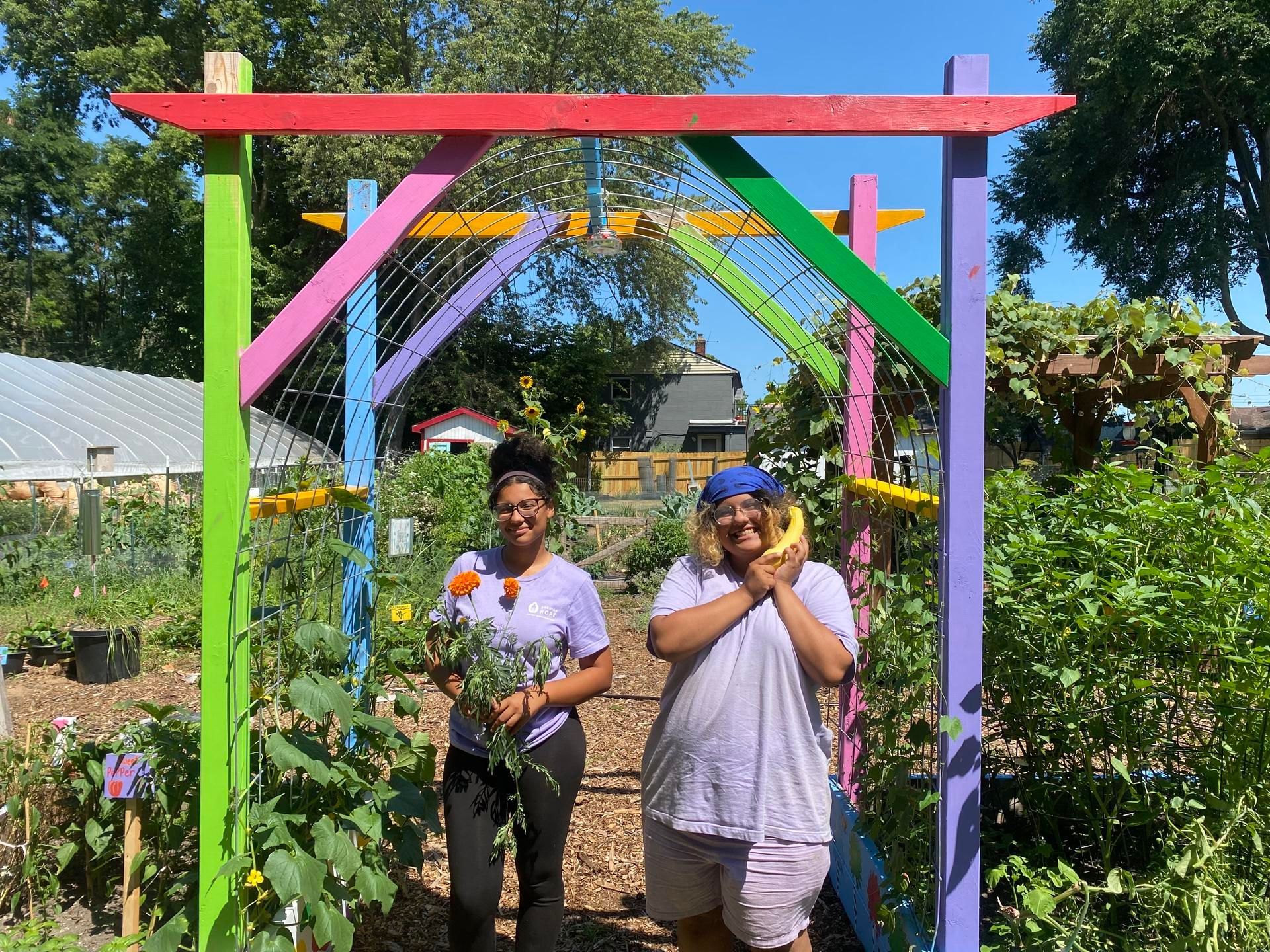
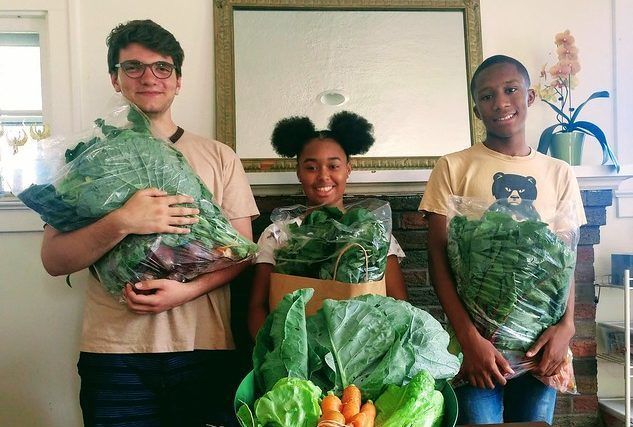
Dear Growing Hope Community, August 6th marked the last day of our eight-week Summer Teen Leadership Program! Over the past eight weeks, 12 Ypsilanti teens joined us as part of our farm staff for an intensive summer program of farm work and workshops on food justice, community organizing, social identity, and cooking lessons. The teens worked hard this summer caring for their Oasis Garden, Children’s Garden, and the Sharing Garden, harvesting food for our free produce cooler, and partnering with local organizations to deepen their knowledge about the Washtenaw County food system. The Teen Leadership Program is an integral part of Growing Hope, and we are so proud of and grateful for this incredible group of young people! This Summer, we had two Teen Crew Leaders, Sienna Troy and Nick Corvera-Garay, and they worked incredibly hard building community among new teen crew members, leading teambuilders, and leading our social identity workshops every Wednesday. They have a few reflections on their time in the Teen Leadership Program that they would like to share. We are so proud of their work at Growing Hope and wish them all the best in their future endeavors as Sienna goes off to college and Nick continues on into the after school program and as our Staff Representative on the Growing Hope Board of Directors! Sienna Troy, Lincoln High School I’ve been at Growing Hope for three summers and unfortunately, I graduate from the program this year. I hate to leave, but I’m so grateful for the experiences I’ve had, the people I've met, and the knowledge I’ve gained. Growing Hope has gotten me more ready and prepared for life than any school ever will. I have learned how to be the best version of myself. If you asked me how I would describe myself my first year, I’d say introverted, quiet, and probably secluded. None of that describes who I am now. Working here has made me break out of my shell and create so many deep bonds. I have made so many friends and met so many new people who will forever have a special place in my heart. Growing Hope will be the only job I ever have where I’m excited to wake up in the morning and go to work. Being greeted every morning by beautiful flowers is such a special feeling especially when you’re the one who put the work into them. I even started my own garden using all the things I’ve learned. I loved taking in so much new knowledge during our workshops, so I could go home and tell everyone about it. There is so much passion flowing through me for the work we do and I’ll never be able to express how honored I am to be a part of it. I’m so grateful for all I’ve learned and even more thankful for Jenny and Esha for making this program as amazing as it is. I hope to take all the things I’ve learned here and pass it on. No matter how many years go by, Growing Hope will always be a part of who I am and what I want to represent. Growing Hope will always be a warm, welcoming, comfortable environment for me and I’m forever grateful for that. Nick Corvera-Garay, WAVE When I started at Growing Hope, I was in a very rough place in my life. I had been in and out of the hospital all year, I dropped out my freshman year, and I genuinely didn’t know what I was going to do with my future. I was struggling with my mental health, and I felt isolated from my peers. When I applied, I wasn’t expecting to get hired. Now, I am forever grateful that I was. Working here has been a life changing experience. I am now surrounded by people who love and support me in everything I do. I am surrounded by people who encourage me to be myself. I am surrounded by people who listen to my ideas, and take me seriously. At Growing Hope, I’m not just viewed as an intern. I’m viewed as someone who has valuable insight. Watching things grow around me– not just the plants, but the people, (myself included)– has shown me that there is hope for the future. It’s shown me that regardless of the conditions, the surrounding environment, whatever challenges life throws your way, you can grow. Even if someone comes and chews off all your leaves, you can be fruitful. (shout out to our soybean plants!) I’ve learned how to create meaningful change in my community, how to guide a team, how to keep fighting, and how to teach other people to do the same things. Even if I won't ever need to flip compost again, there’s a lesson to be learned about perseverance somewhere in between loaves of bread and orange peels. Both the people and the plants here have taught me things I wouldn’t have learned anywhere else. To me, this is more than a job, it’s a collection of lessons that I will carry with me throughout my entire lifetime. During my time here, I’ve accomplished many things. I helped plan garden beds, build a pond, paint murals around the farm, and last fall, I was elected to the Growing Hope Board as staff representative. I have been welcomed into this space from the beginning, and I am so glad to be in such an important part of this organization. Being the first teen elected to the board feels surreal, and it shows a change within the Growing Hope ecosystem I know we will continue on in the future. Trusting young people to lead and be in charge is important in any field of work, but especially food justice. We are the future, the torchbearers, the ones to create a brighter future. I am eternally grateful that the staff believed in my abilities, and I hope in the future, there are even more opportunities like this for young people like me. As I go into my third fall season, I can’t help but reminisce. Every year, so many people come into this program. I see myself in some of them, and I also see the ways they change and flourish here. I am honored to help guide and support these young people through their journeys. I believe this isn’t just a farm that grows food, but a place that helps our community grow, helps people grow into themselves, and helps us grow a brighter future. I now feel empowered to create change, to help everyone, and I feel that it is truly achievable. With the support of Growing Hope, I look forward to seeing all of the change the teens, myself included, create. I am eager for a brighter future, one that we will build together. I hope you, too, are eager. With love, Nick Corvera-Garay (PS: If you feel touched, empowered, or particularly generous- I’d deeply appreciate it if you considered donating to Growing Hope ! Your donations are matched through September, meaning anything you give will have double the impact. You can help teens like me feel empowered to create change, too.)
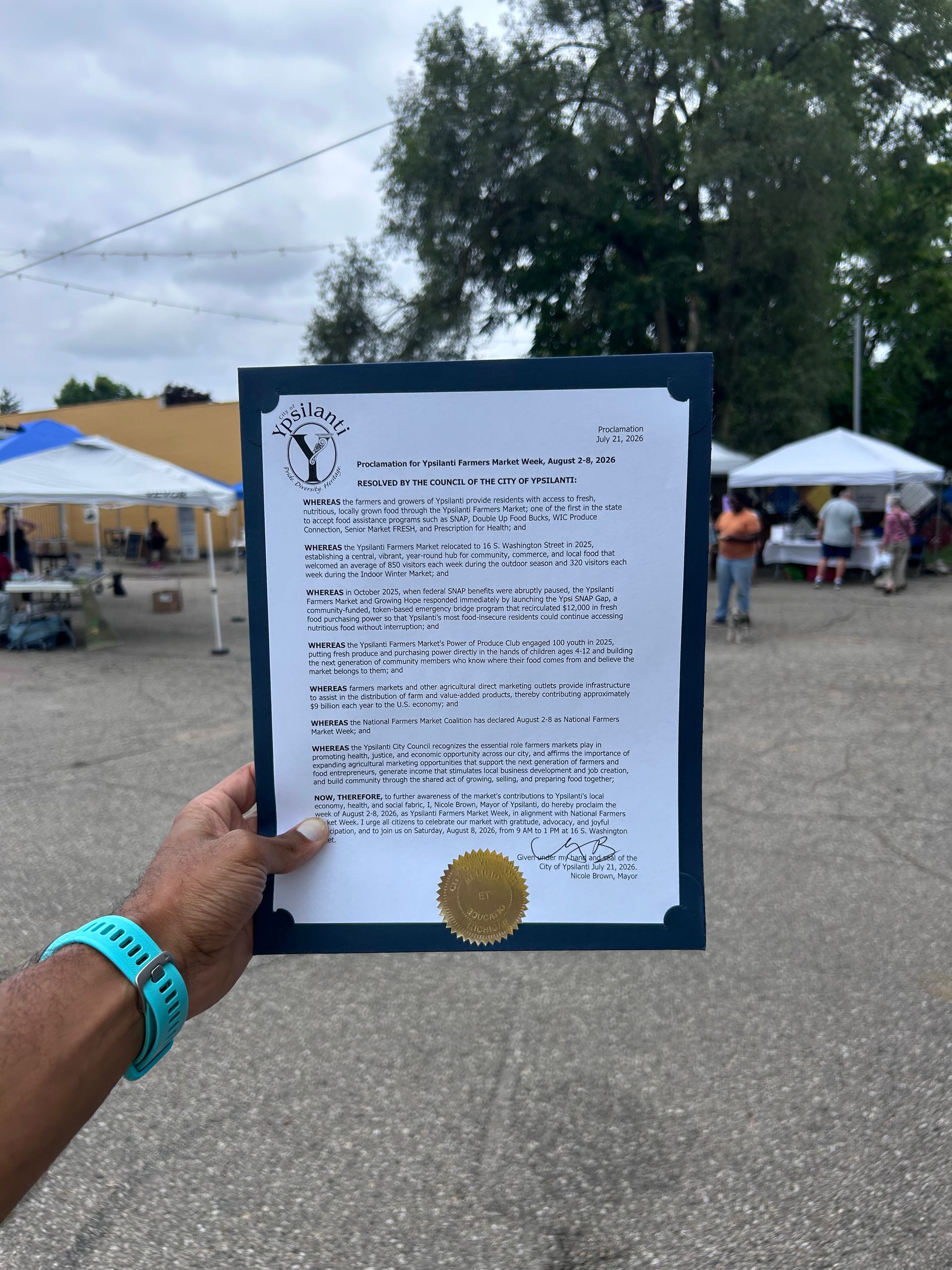
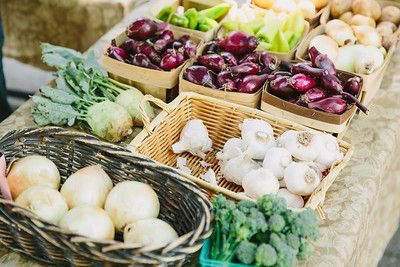
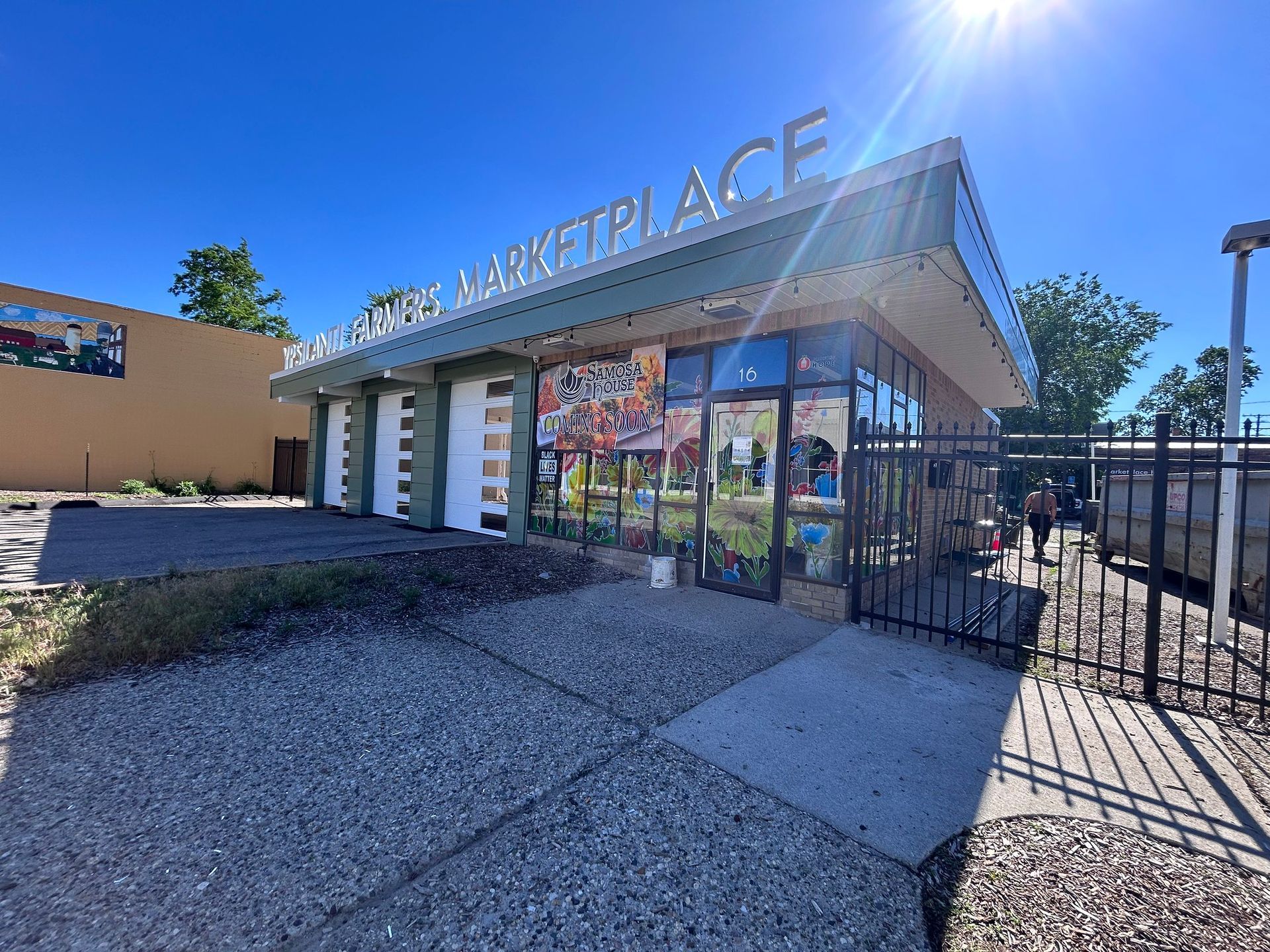
Beloved community, As we enter the final weeks of summer and back into the rhythm of the school year, it’s impossible not to recognize how hard it’s been to breathe as of late (in every sense). A few short weeks ago, smoke drifted down from wildfires burning across Ontario and settled over Southeast Michigan with force. As air quality alerts stacked on top of heat advisories, everyone from youth to elders was advised to mask up or otherwise remain indoors. In the same stretch, Michigan’s cyclospora outbreak kept climbing past six thousand confirmed cases. Understandably, many have been left feeling paralyzed. Clean air and safe food are not amenities; they are the foundation on which we build food sovereignty. Right now, it feels like that foundation is beginning to crumble, and crumble beneath some more than others. The folks breathing the worst air and eating the least trustworthy food are disproportionately Black, brown, Indigenous, low-income, elderly, young, or some combination of all of it. This pattern is known as environmental racism, meaning the way pollution, contamination, and environmental harm land hardest on communities of color and low-income communities. Whether it’s a decision about a permit, protective rights, or a pipeline, this happens by design. Last month, for example, Michigan's environmental agency approved permits allowing Enbridge to build a new tunnel for the Line 5 pipeline under the Straits of Mackinac, locking in another 99 years of fossil fuel infrastructure running beneath the largest freshwater system on the planet. While this devalues, or even ignores, the long-term health of our climate, economies, and water (another foundational element to life), the environmental harm of this decision is just the tipping point. Construction threatens ground that includes Native American burial sites, and tribes are being handed what one Native American Rights Fund attorney representing Bay Mills Indian Community called an agonizing choice between digging up and recovering their own ancestors before bulldozers arrive, or leaving that work to the state once construction starts. That same attorney, David Gover, put it plainly: "What is more sacred than how we treat our dead?" The grief, rage, and anxiety showing up in our community as a result of these compounding factors is real, merited, and inextricably tied to what’s happening to the land, water, and air on which we, and our food, depend. But it’s not the end of the story. Behind Growing Hope's mission is a strongly rooted belief that communities deserve autonomy within the entirety of their food system. You cannot separate a just food system from a just relationship to place. The cure to systems that poison our air, contaminate our food chains, and desecrate sacred ground is hope that is deeply seeded in community. It's in building a local food system that celebrates the growers, land stewards, and makers that paint a portrait of a vibrant local food system. And that's what a farmers market is, when you get down to it. It's a supply chain you can see with your own eyes. It’s names you know and fields you can visit. It’s fresh produce that arrives from caring hands just moments away from home. It's food grown by people accountable to this community. And when we feel betrayed by the very air and food we need to survive, this is all more important than ever. That’s why I’m excited that this is reaching you right on the edge of National Farmers Market Week, August 2-8, formally proclaimed by the Ypsilanti City Council at their last meeting. Come join us in our weekly celebration of local food at the Ypsilanti Farmers Markets on Saturdays, 9a-1p, at the Ypsilanti Farmers MarketPlace (16 S. Washington St.) Underneath all of it (the smoke, the cyclospora headlines, the pipeline permits) is us. A community vying for a food system where we can gather, cook, and grow together without fear. See you at the market, Julius P.S. Even if you can’t join us to celebrate National Farmers Market Week on Saturday, August 8, you can share your thoughts and help us plan for the future (even get entered to win a great prize) by completing our annual market survey .
Introducing the growing hope accelerator kitchen!
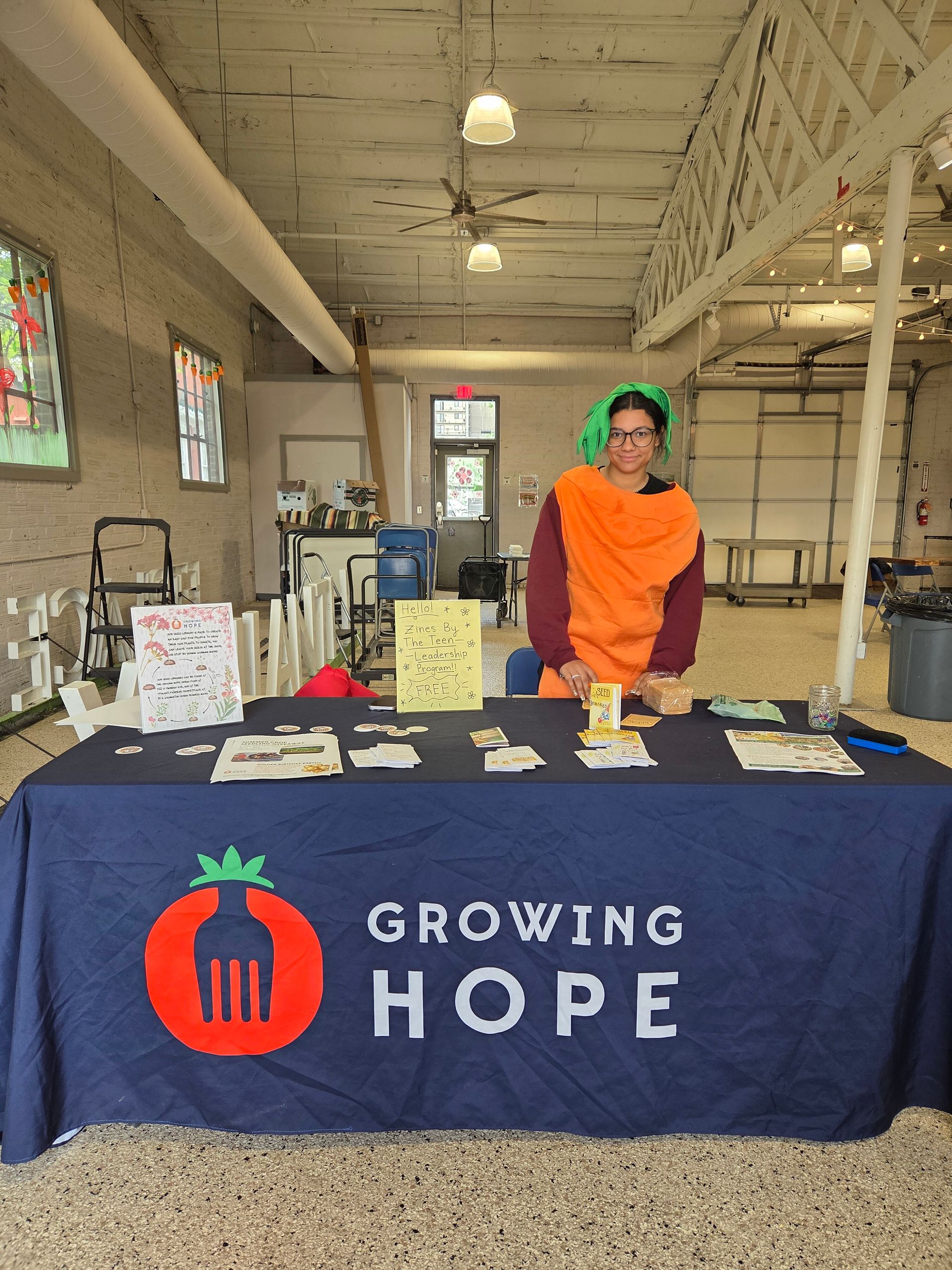
Beloved community, June is alive in Ypsilanti, and so are we! The farm is buzzing with pollinators, heavy with the first fruits of the season, keeping the produce cart full, and tended by caring hands, sowing hope along with each seed. At the same time, the MarketPlace is filling back up with color and noise with the joy of neighbors who have looked forward to the market all winter. We have so much to celebrate this season! Namely, the Tuesday Farmers Market is back! Starting tomorrow (June 2), the Ypsilanti Farmers Market will run not only on Saturday mornings, but also every Tuesday from 3 to 7 pm, through August, right here at the Ypsilanti Farmers MarketPlace. That means every week we’ll have two opportunities to invest in our local food system while building the community care that makes a market special. This matters more than it might seem on the surface. Many community members have shared that while they love the Ypsilanti Farmers Market, want to support local farmers and makers, and believe in local food, Saturday mornings simply do not work for their lifestyles. Saturday mornings may be reserved for overtime shifts or soccer games, or to recover from a week that didn’t seem to give anything back. For some, they can only get the financial assistance or translation services needed to fully participate on a weekday. For many of our neighbors, Saturday mornings are simply not free. Access can only be actualized when every community member experiences it. It’s as much about time as it is about proximity. We've always said that the Ypsilanti Farmers Market is for everyone in our community, and the Tuesday market is our effort to live that out more fully. The Ypsilanti Farmers Market, in each step toward the future, is a step toward a living vision we have built together. Toward a vision of the Ypsilanti Farmers MarketPlace as a community food hub, an anchor in the life of our city and of our local food system. A place where neighbors come together, build community, and leave united; all while gathering around food. The Ypsilanti Farmers Market is not purely about simple transactions. It’s about practicing what it looks like for a community to feed itself. It nurtures spaces where farmers can move their harvest and where small businesses can grow. The Ypsilanti Farmers MarketPlace is fostering that mid-week run-in with a neighbor, reminding us that we are not alone. We are grateful to the farmers, vendors, and partners who said yes to this. And we are grateful to our entire market team, who make it possible week after week, with devotion and creativity that continues to humble me. This spring, our Teen Leadership Program launched our second Seed Library, located at the Ypsilanti Farmers MarketPlace, which is available to the community at every market. Because everyone deserves a chance to grow. Seeds hold within them the agricultural knowledge of generations, the food traditions of all of humankind. When we talk about seed sovereignty, we are not simply speaking about the practical reality of who controls the global seed supply (the four corporations that control 60% of the seed and pesticide supply). Rather, it goes a level deeper into the question of who and what gets to be remembered. "Farmers are literally archivists of the land." -Abena Offeh-Gyimah Seeds are stories. They are living reminders of all the ancestors who walked before us. When we save and share seeds, we are practicing reciprocity with Mother Earth, and with one another. The seed library that our teens built is just the beginning. Our hope is that it grows into a circular system . We dream of a future where the seed library at the farm and MarketPlace are filled with self-labeled packets of seeds saved from the harvest of our community. We dream of a food future that sits in the hands of the very community that tends it. This is seed rematriation in practice, and I’m excited to grow with you. In solidarity, Julius P.S. Your support makes this food system possible, whether it is financial, volunteer, or saving seeds; we’re in this together. Keep an eye out for future newsletters for a hands-on seed-saving workshop later this year.
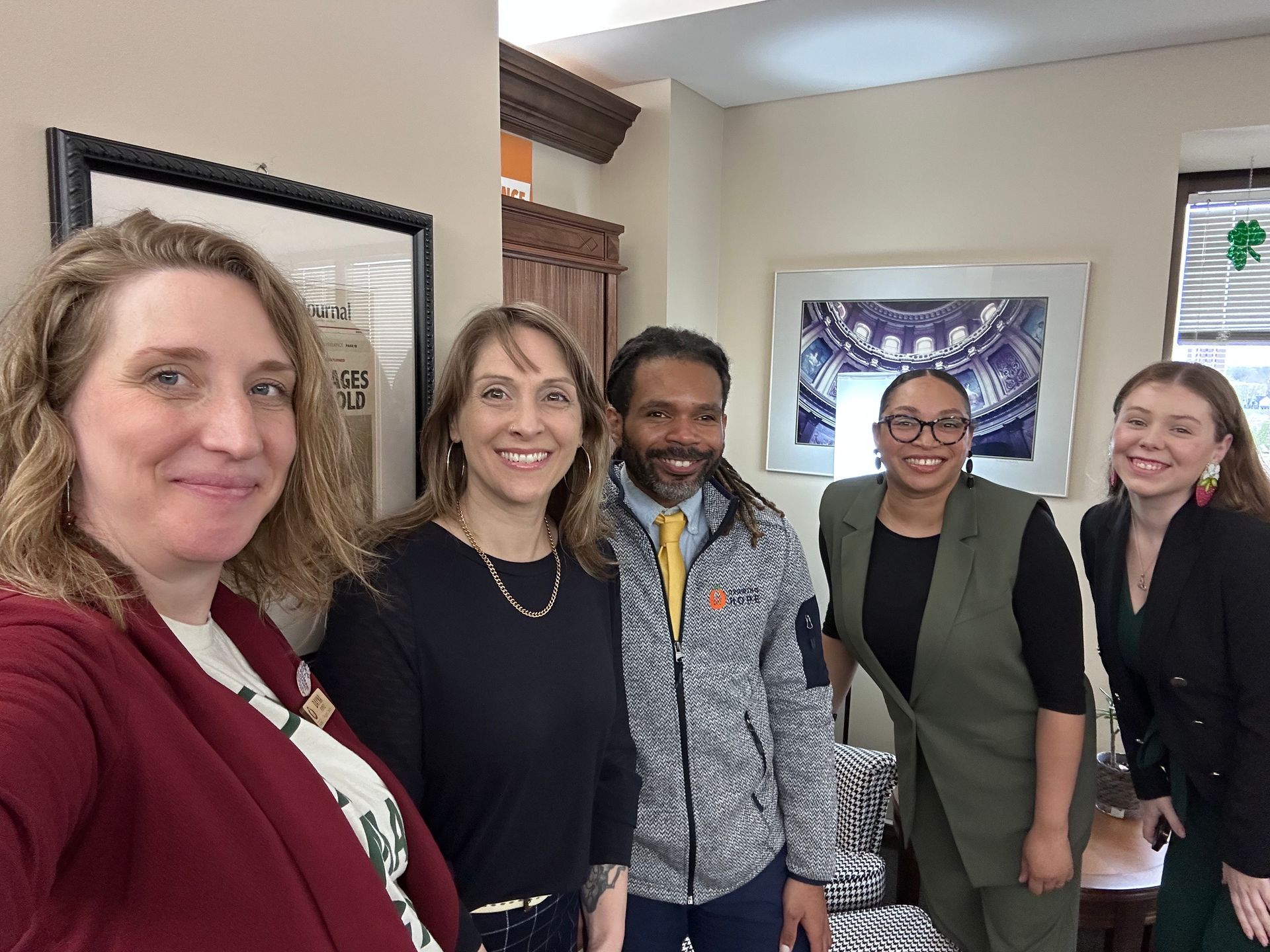
Beloved community, May has arrived, and Southeast Michigan has exhaled into spring. As seedlings begin to sprout and Mother Earth does her thing, After a long winter of waiting, there is something deep inside each of us that leans toward the light. And I think it’s crucial that we lean into that light after so much darkness. That we lean into what it means to reach towards what we need and deserve, not simply an act of grace, but as a right of every living organism. This spring, I want to lean into the right to food. Sometimes, the most radical ideas are also the simplest. The right to food means every person, regardless of zip code, income, skin color, or the circumstances of their birth, has the inherent right to access sufficient, safe, nutritious, and culturally appropriate food. And it doesn’t start at the dinner table. It incorporates the farmer who needs land to grow, the farmworker who deserves a living wage, and the maker who wants to build the food business of their ancestors' dreams. The right to food means that spaces such as the Ypsilanti Farmers MarketPlace and Growing Hope Urban Farm are part of community infrastructure. The right to food is a whole-systems claim that urges us to stop seeing hunger as a distribution issue and instead recognize it as an issue of who is invited to the table. This is not a novel idea. The right to food has been recognized in international law since 1948, when the Universal Declaration of Human Rights enshrined it as part of every person's right to an adequate standard of living. It was further codified in the 1966 International Covenant on Economic, Social, and Cultural Rights, which is legally binding for 172 countries. Notably, our country has been missing from that list. While enough food is produced to feed everyone, and still, up to 720 million people experience hunger, and 2.6 billion cannot afford a healthy diet. Today, one in seven residents in Washtenaw County questions where their next meal will come from. This represents a failure of will, not imagination. It’s the result of systems that treat food as a commodity rather than a birthright. But we don’t have to accept that as the finish line. There are multiple states and communities within our country that have codified the right to food, and we’d love for you to join us in advancing and declaring this right in our community. By treating food insecurity as a rights violation rather than a personal failing, we shift the policy debate from political aspiration to human obligation. It’s this shift, from charity to solidarity, that lines the foundation of Growing Hope’s work. Just a few days ago, we sent a group of staff, partners, and volunteers to Lansing to walk through the doors of power and speak with honesty and humility. We talked about what the right to food means on the ground. We talked about what we believe Michigan can do. We advocated for systems that uphold the right to food for every aspect of the food system. Importantly, we left knowing that we are not alone in this. Across the country, community organizers are rallying around this core principle. As one organizer stated, “We need to state the obvious right now, because the systems we relied on are being eroded very actively." We are not growing gardens. We are growing self-determination. We are growing community. We are Growing Hope. I said at the beginning that food is a right, and I believe that with everything in me. Unfortunately, rights don't enforce themselves. They require community to join together, to ensure accountability, and to be a continual reminder of what we are committed to. This is the community we are building. We invest and believe so deeply in this viewpoint for one simple reason, which feels more true now than ever before: community is medicine. Together we share some ailments, but our collective resources are innumerable. And while we don’t know where we’ll end up on the other side of the change and chaos swirling around us, we can be certain that we’ll arrive together. Proximity and hope are foundational building blocks for a community of healing. This is the type of community that demands systems of care that uphold our basic human rights, while sharing its resources to meet our collective needs. Together, we are growing food. We are gathering. We are ensuring the right to food. And we are healing one another through community. We are watching the systems we have long depended on fray at the edges in real time. We are responding, in unison, saying: we are not waiting for permission to be fed. That is the work. Thank you for being part of it. In solidarity, Julius P.S. The right to food is more than a principle. It's a promise we make to one another. You can read our Right to Food Declaration, add your name, and share your story (with a chance to win a $50 gift card) at growinghope.net/righttofood .
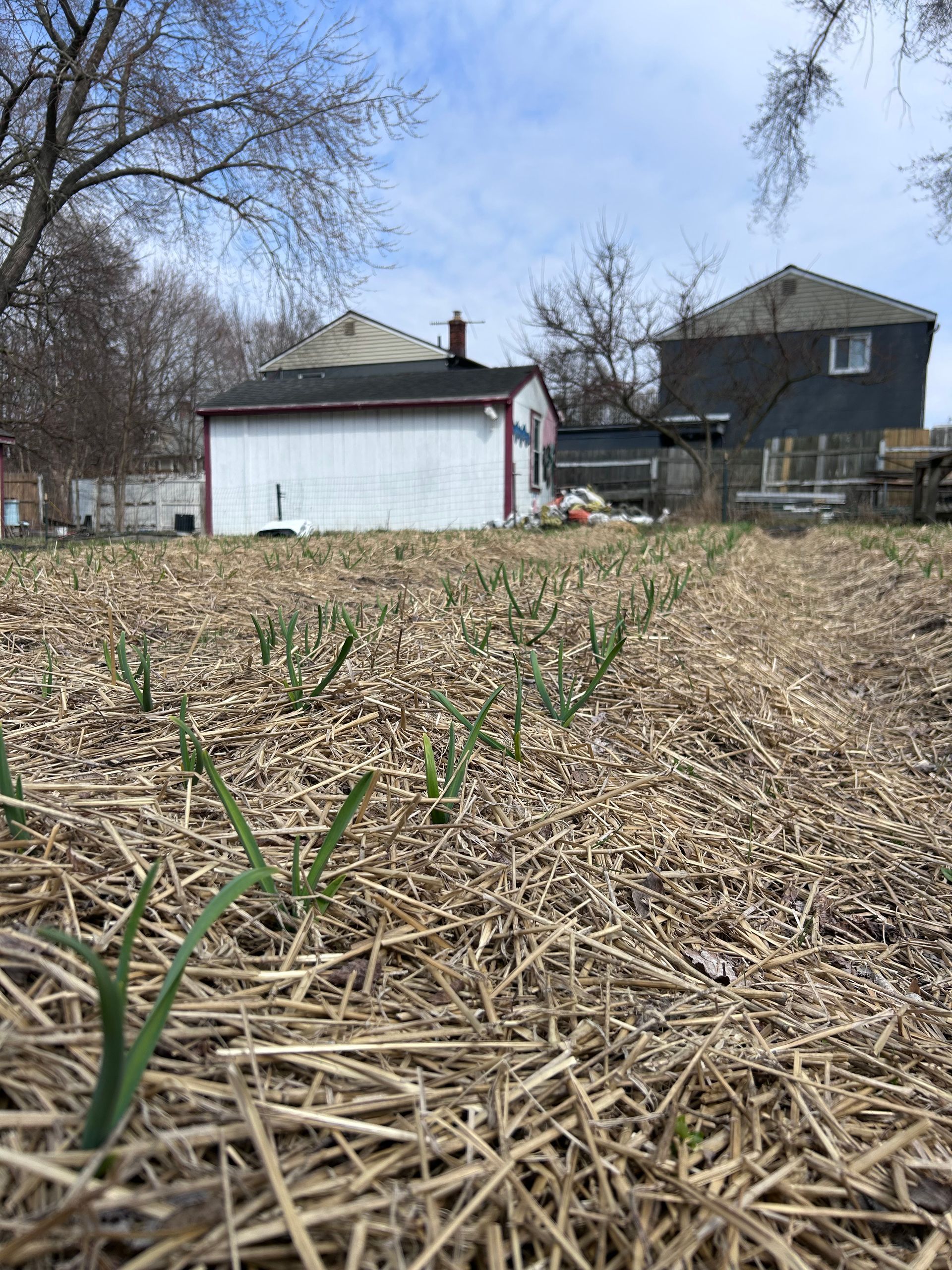
Beloved community, April arrives the way it always does in Michigan; tentatively at first, then all at once. One morning, the ground is still stubborn and cold, and the next, something is pushing through. We call it Earth Month, but Mother Earth does not need a month. Mother Earth is always working. What Earth Month does, at its best, is return us to attention; to the slow, faithful labor happening beneath our feet, whether we notice or not. This month, I want to talk about that labor. Not just the labor of growing food, but the labor of staying whole while doing this work. The labor of belonging to one another. The labor of grief. Food sovereignty has never been only about food. It has always been about the conditions under which people live; who controls the land, who decides what is grown and for whom, whose hands are trusted to tend it, and whose labor is rendered invisible in the process. When we plant together, across our differences, we practice a different way of being in relationship with the earth and with each other. We are rehearsing the world we are trying to build. This is food sovereignty at its fullest: not a policy framework alone, but a practice of restoration. Of the land, yes. But also of people. Of community. Of self. Earth Month, then, is not just a celebration of the natural world. It is an invitation to remember that we are part of it; that the health of our soil and the health of our souls are not separate questions. This spring, I am carrying something heavier than usual. And I suspect many of you are too. Our community lost Melvin Parson. And that loss has settled into me like the coming of spring here in Michigan: quietly, then suddenly, everywhere. Melvin was a farmer, a visionary, and a neighbor. Through We The People Opportunity Farm, he built real pathways of belonging and dignity. He understood that food sovereignty is not only about growing food; it is about restoring people to possibility. Melvin planted seeds that will outlive all of us. In the soil and in the lives he helped rebuild. Rest in power, Melvin. We will keep tending what you planted. But grief does not arrive alone. And I think we need to name that. Something has been accumulating in many of us. The anxiety of not knowing whether your rent will hold, whether the program keeping your mother's medication affordable will survive the next budget cycle, whether the news tomorrow brings another cut, another threat, another loss. The weight of watching war unfold on a screen while packing your child's lunch. The low hum of uncertainty has grown so constant that many of us have stopped recognizing it as something being done to us. Mental health in our communities is rarely one dramatic moment. It is the slow erosion of the conditions that makes life feel possible. And right now, those conditions are under pressure from every direction. We are not imagining it. It is real. And it deserves to be named. I do not want to move past this moment too quickly, because I think it is asking something of us. Those of us who work in food systems, in community organizing, in the daily labor of trying to repair what has been broken, we carry a particular weight. The need is constant. The resources are not. The work is relational, which means every loss is personal. Every family facing hunger has a name. Every policy that fails our community lands in someone's body. We are not separate from the communities we serve. We are one of them. And that means the strains of this moment: economic precarity, political hostility, grief, isolation, and the relentless demand to do more with less all live within us. I have been thinking about what it means to tend ourselves the way Mother Earth tends herself. To acknowledge that fallow seasons are not failures. That rest is not retreat. That asking for help is not a weakness, but the most honest form of community care. Mother Earth is not asking us to be strong; she’s asking us to be present. This April, I am inviting Growing Hope's community into that same practice. Tend your plot, yes, but also tend your people. Check on your neighbors. Come to the farm not just to grow food, but to be held by the community. Let the soil remind you that transformation is slow, and real, and worth it. We are in this together. And together is the only way through. In solidarity, Julius P.S. If this month is weighing on you, you don't have to carry it alone. The NAMI HelpLine offers free, confidential one-on-one support, mental health information, and resources — available Monday through Friday, 10am–10pm ET. Call 1-800-950-NAMI (6264) or text NAMI to 62640. And if you need a reason to get outside and be with people, join us on April 11, 10am–1pm for our Spring Seedling Distribution.
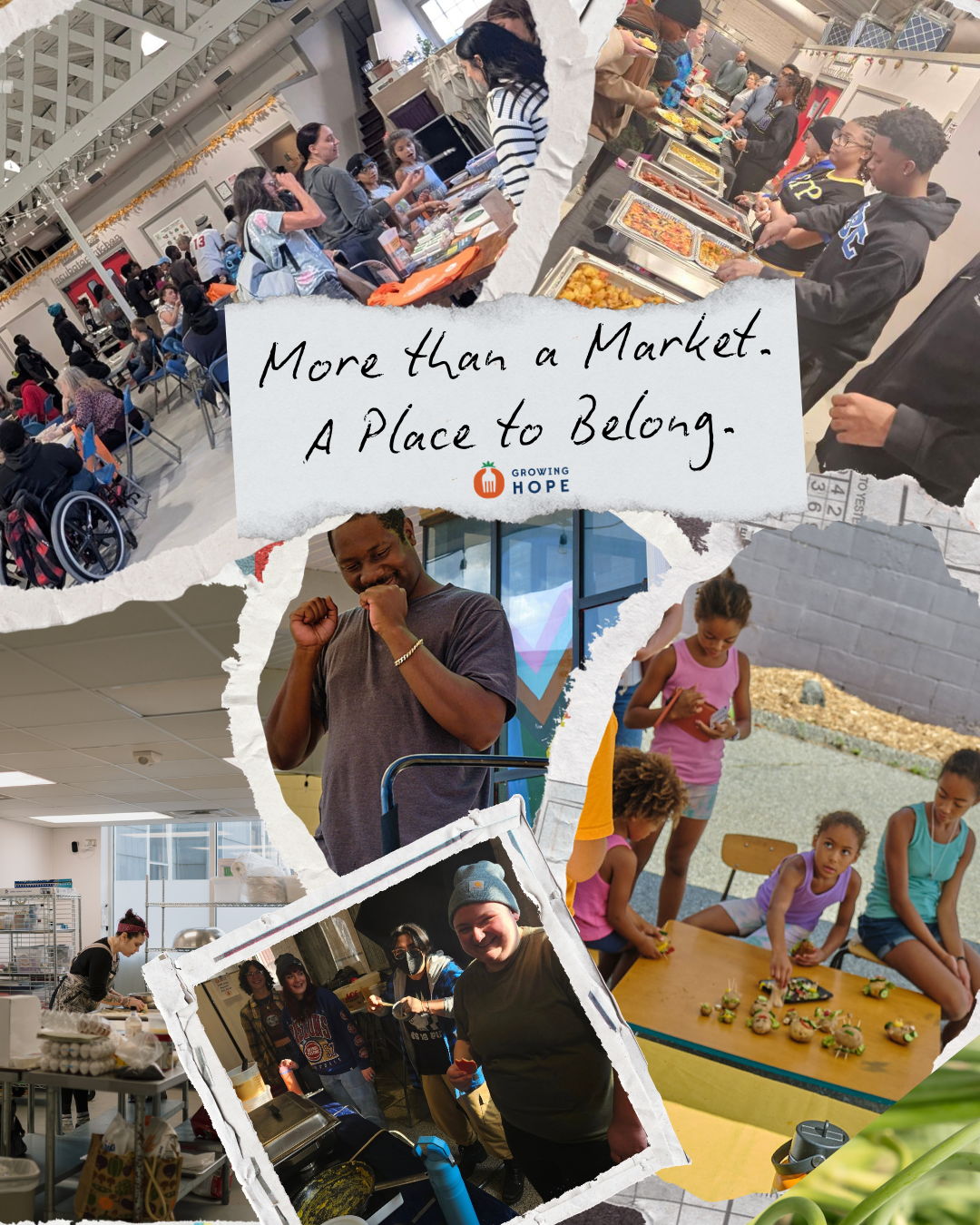
Beloved community, Last season, organizers of all sizes hosted 168 events at the Ypsilanti Farmers MarketPlace, from mutual aid distributions and cultural gatherings to health outreach and food policy conversations. These moments reflect how we steward shared resources to maximize good and meet multiple community needs at once. At the heart of it all is the Ypsilanti Farmers Market itself. If you’ve spent any time at the market, you know that it’s never just been a place to shop. It’s a place to linger. To listen. To organize. To feed one another, body and spirit. Together, we are building a food ecosystem where everyone has access to fresh produce and where advocacy, mutual aid, and belonging intersect. That was especially clear this year when our community faced a sudden gap in food access. When early federal funding shifts threatened nutrition dollars, our community didn’t wait. Together, we rapidly designed and launched the Ypsi SNAP Gap Program, a locally powered response that ensured hundreds of local families could continue to access food. As we move through spring, your support sustains this work; keeping vendor fees low, strengthening food access programs, and maintaining the MarketPlace as a space for belonging. Every gift sustains a place to live, organize, and nourish one another. With deep gratitude, Julius Buzzard Executive Director P.S. Your early spring support ensures we’re ready to respond when our community needs it most.
Beloved community, March is National Nutrition Month, and across the country, we’re told to read labels more closely, count nutrients more carefully, and “eat real foods.” But nutrition is not a trend cycle; it is a question of power. I invite you to join me in curiosity and ask: Who has access to what’s being recommended? Who can afford the “real” food being celebrated? Who grows it, and who gets paid? Are we treating illness, or are we transforming the conditions that produce it? Health outcomes matter, but health equity goes further. Health equity asks why certain neighborhoods have higher rates of diabetes in the first place. It asks why fresh food feels exceptional in some zip codes and ordinary in others. It asks why farmers struggle to survive while healthcare systems expand. If we do not address land access, procurement policy, and economic extraction, then “eat real” risks becoming a quiet moral judgment instead of a structural commitment. Michigan once modeled real structural commitment through 10 Cents a Meal for Michigan's Kids & Farms ; matching school dollars to buy Michigan-grown produce and making local food standard in cafeterias. It strengthened children’s health, stabilized farmers, and shifted institutional purchasing habits. This year, the program was not funded. And as a result, students miss the chance to build lifelong food memories rooted close to home. And still, we are not retreating. Together, we are building a foundation of generational health. Generational health is the long game. It is the work of ensuring that today’s third grader doesn’t just eat a fresh apple; but grows up expecting apples from Michigan orchards in their cafeteria. It is ensuring that a teen doesn’t just volunteer at the market; but understands zoning laws, farm bills, and supply chains well enough to challenge them. This is the foundation of our theory of change. We build generational health by shaping habits early and reinforcing them often; through initiatives like our Teen Leadership Program, where young people gain the skills and critical lens to navigate and influence the food system; through field trips to our urban farm and incubator kitchen, where learning is rooted in soil; through Farm to School programming that normalizes local procurement; and through Power of Produce (POP) Club, where children practice agency by choosing fresh food for themselves. This is how we shift from reactive nutrition work to regenerative nutrition culture. We do this by pairing conversations about Food as Medicine, dietary guidelines, and eating real foods, with: An insistence that farmers are part of the prescription. Guidelines that align with affordability and access. Understanding that real foods need to be reachable, culturally meaningful, and dignified. Nutrition is not simply about what’s on a plate. It is about who has the right to thrive. This National Nutrition Month, I invite you to see nutrition not as an individual burden, but as a collective project that treats fresh food not as charity, but as infrastructure. We are cultivating a community where children expect fresh produce, where farmers are stable and respected, and where health is inherited as legacy. That is generational health. And that is the future we are growing together. In solidarity, Julius P.S. Check out the FoodCorps Policy Action Map or sign up for our Farm to School Newsletter if you’re interested in building generational health.